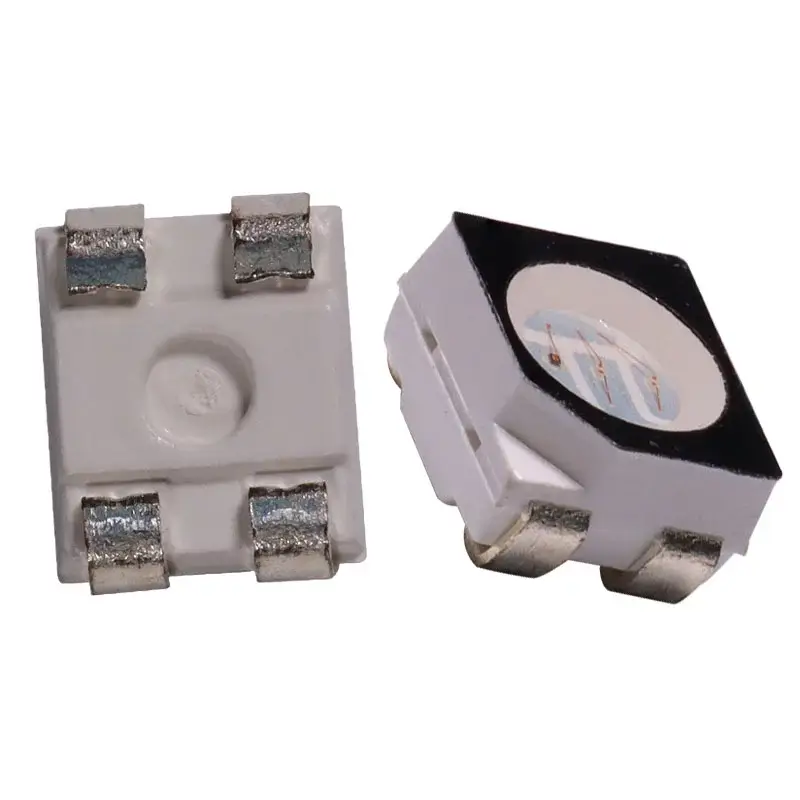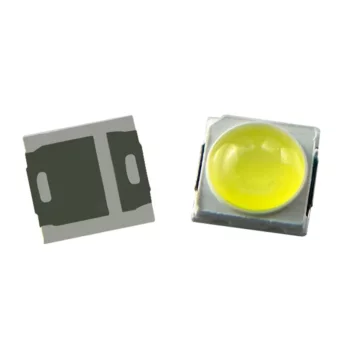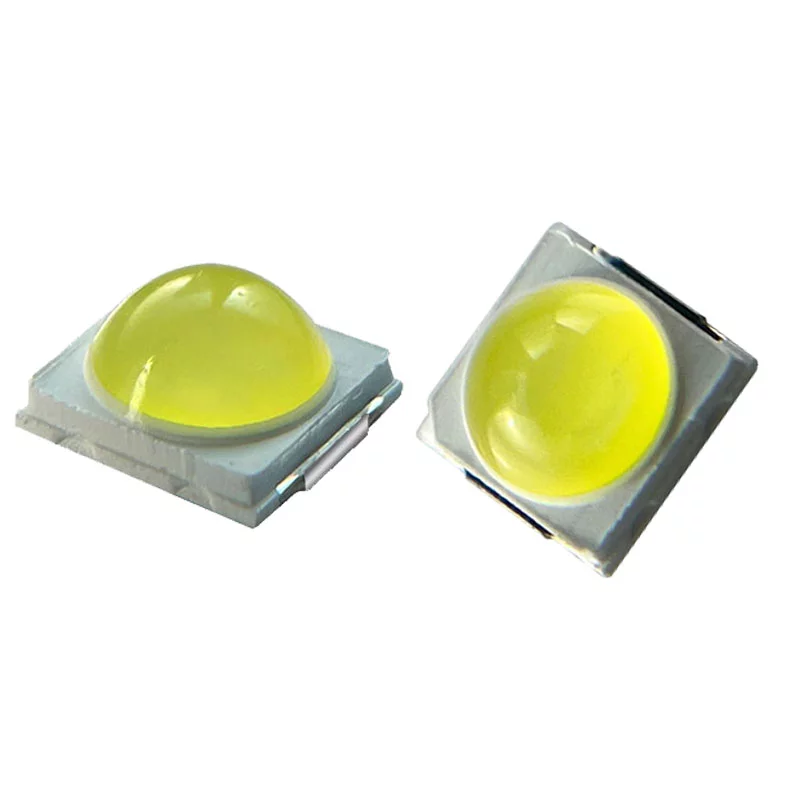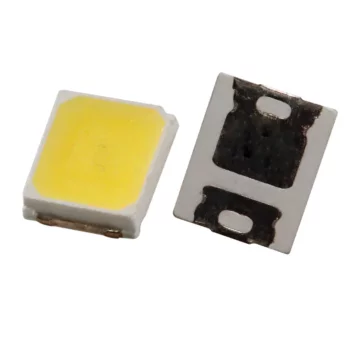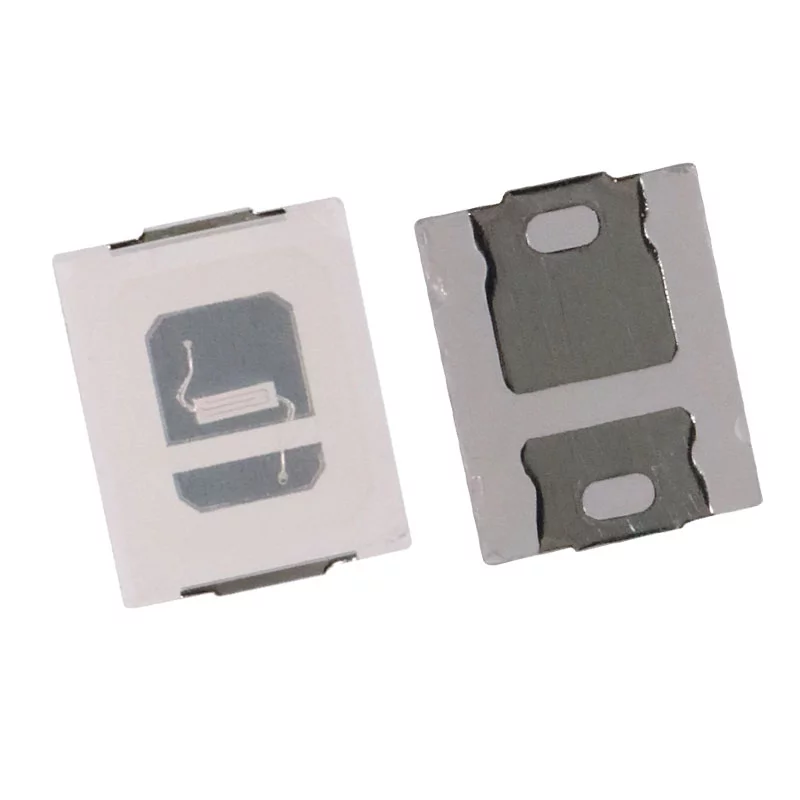
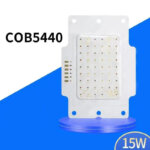
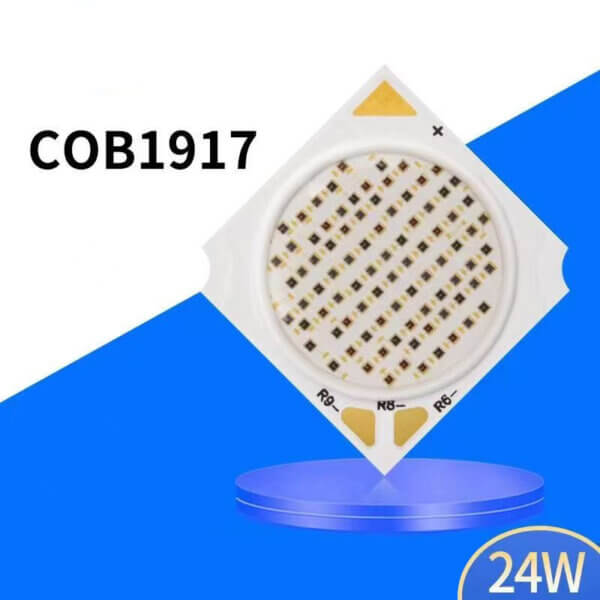
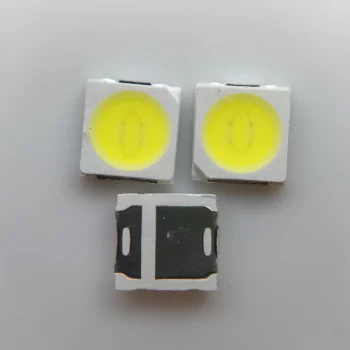
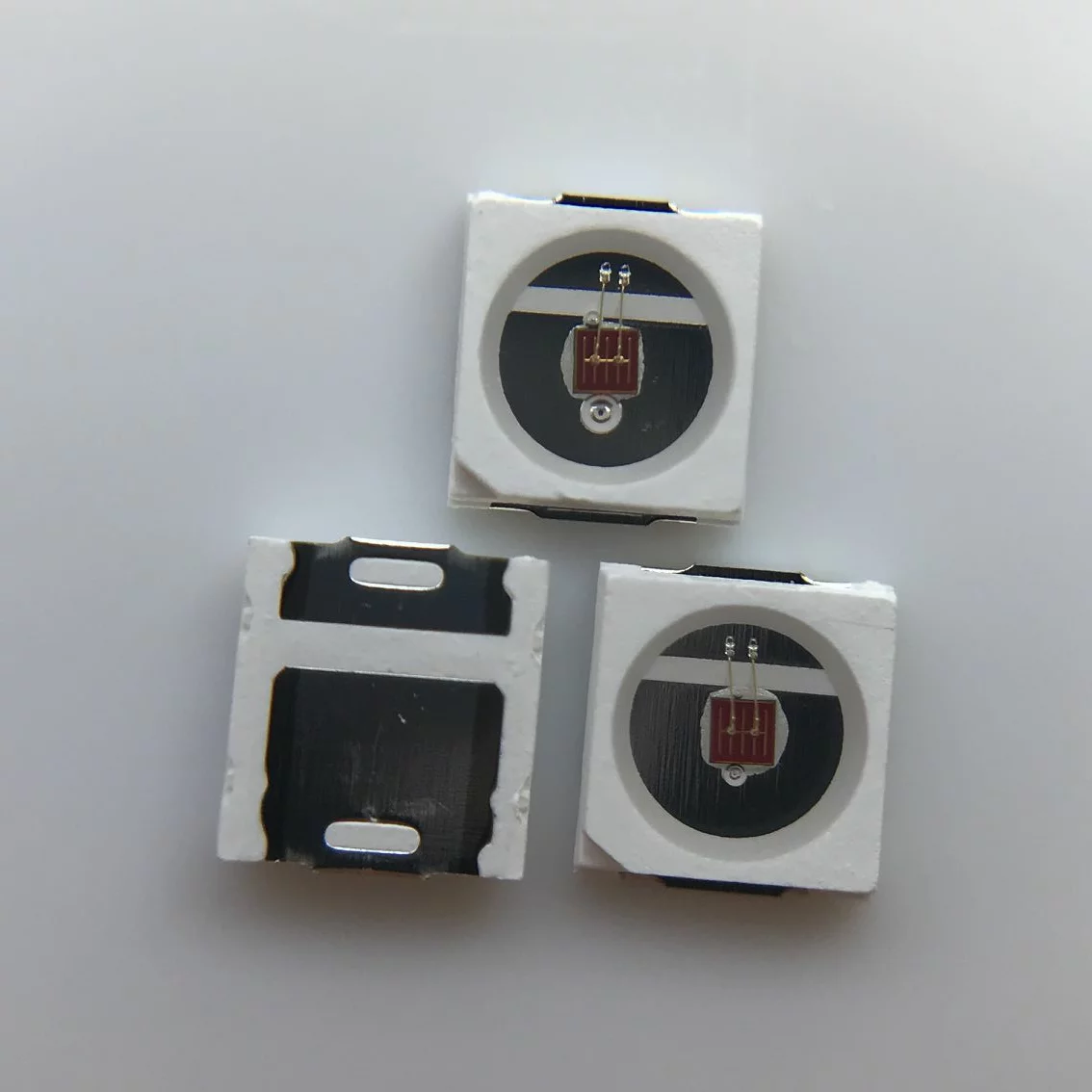
infrared cob led light therapy lamp

infrared cob led light therapy lamp

power :be customized

wavelength:620-625nm 650nm 660-670nm 590nm 525-530nm 463-468nm 810nm 830nm 850nm 940nm 1064nm etc be customized

Dimensions size:be customized

power :be customized

1. Utilizing the photothermal effect, using specific wavelengths of light to illuminate the skin or certain tissue cells of the human body to promote or inhibit growth, in order to achieve therapeutic goals.
Phototherapy utilizes biological tissues to absorb light of different wavelengths and convert them into thermal and chemical energy, resulting in a series of chemical reactions in the body to achieve the desired therapeutic effects
The therapeutic mechanism of phototherapy can be summarized as follows:
Decomposition → Photopolymerization → Photooxidation → Photosensitization
4. Compared to traditional light sources, LEDs better meet the special requirements of phototherapy for light sources, which include a wide range of light wavelength selection, controllable and adjustable radiation intensity and radiation spot, pure light color, no harmful spectral components, and electrical safety.
 

Why Us?

  • High Quality
  • Quick Response
  • Reasonable Price

infrared cob led light therapy lamp

power :be customized

wavelength:620-625nm 650nm 660-670nm 590nm 525-530nm 463-468nm 810nm 830nm 850nm 940nm 1064nm etc be customized

Dimensions size:be customized

power :be customized

1. Utilizing the photothermal effect, using specific wavelengths of light to illuminate the skin or certain tissue cells of the human body to promote or inhibit growth, in order to achieve therapeutic goals.
Phototherapy utilizes biological tissues to absorb light of different wavelengths and convert them into thermal and chemical energy, resulting in a series of chemical reactions in the body to achieve the desired therapeutic effects
The therapeutic mechanism of phototherapy can be summarized as follows:
Decomposition → Photopolymerization → Photooxidation → Photosensitization
4. Compared to traditional light sources, LEDs better meet the special requirements of phototherapy for light sources, which include a wide range of light wavelength selection, controllable and adjustable radiation intensity and radiation spot, pure light color, no harmful spectral components, and electrical safety.
 

Quick Contact

询盘表单
Scroll to Top
Share to...